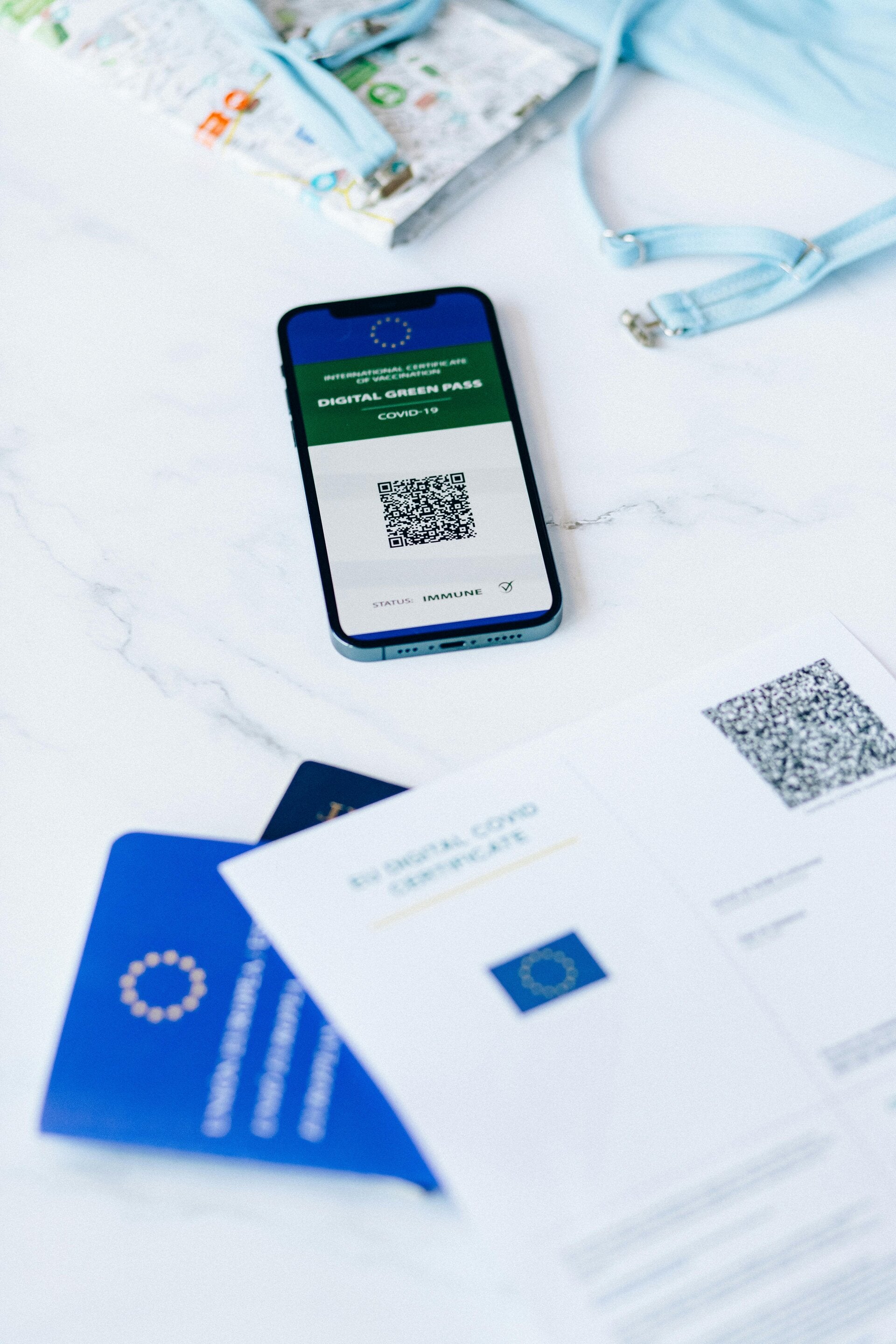
We live in a time where almost everything about us already exists online—our photos, our transactions, our opinions, and our habits.
The next step, we’re told, is a Digital ID—one identity to “simplify” our lives across borders, banks, hospitals, schools, and even social platforms.
Sounds convenient, doesn’t it?
No more passwords, no more forms. Just one digital key to everything.
But here’s the question no one wants to ask:
Who really holds that key?
Digital ID is sold as a tool for safety, efficiency, and progress—but it also brings the greatest power shift in modern history.
Because if every part of your life is connected to one digital profile, whoever controls that system doesn’t just know you… they own you.
Think about it:
Your bank decides what transactions are “allowed.”
Your health data determines which services you can access.
Your opinions on social media—tied to your verified ID—might define your reputation or even your opportunities.
A system that promises security could easily become a system of surveillance.
And the scariest part? It won’t need to be forced.
People will line up for it—because it’s convenient.
This isn’t science fiction.
Digital ID projects are already being tested in Europe, Canada, Australia, and beyond.
They’re framed as “innovation” and “trust technology.”
But in reality, they’re redefining what trust even means.
Will trust come from human relationships and accountability—or from algorithms and databases?
Will privacy become a privilege instead of a right?
We need to talk about this now, before the narrative is sealed.
Digital ID could be a tool of freedom—giving people more control over their data, their identity, and their access to the world.
Or it could become the final step in turning citizens into products and independence into illusion.
The future isn’t written yet.
But once identity goes digital, it’s hard to take it back.
🔥 Question:
Would you accept a digital ID if it meant easier access to services—or would you reject it, knowing how easily convenience turns into control?
Add comment
Comments